

Gravidanza
Calcolo del peso fetale
03
Giu
Giu
Utilizza il calcolatore di Mamma in Progress qui sopra per conoscere il peso del feto:
Inserisci il Diametro Biparietale e la Circonferenza Addominale e clicca sul tasto “Calcola peso fetale” per mostrare la stima.
Il calcolo del peso fetale è un aspetto cruciale del monitoraggio della gravidanza, offrendo preziose informazioni sullo sviluppo del bambino.
Come si Calcola il Peso del Feto?
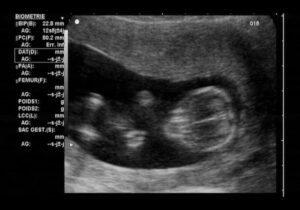
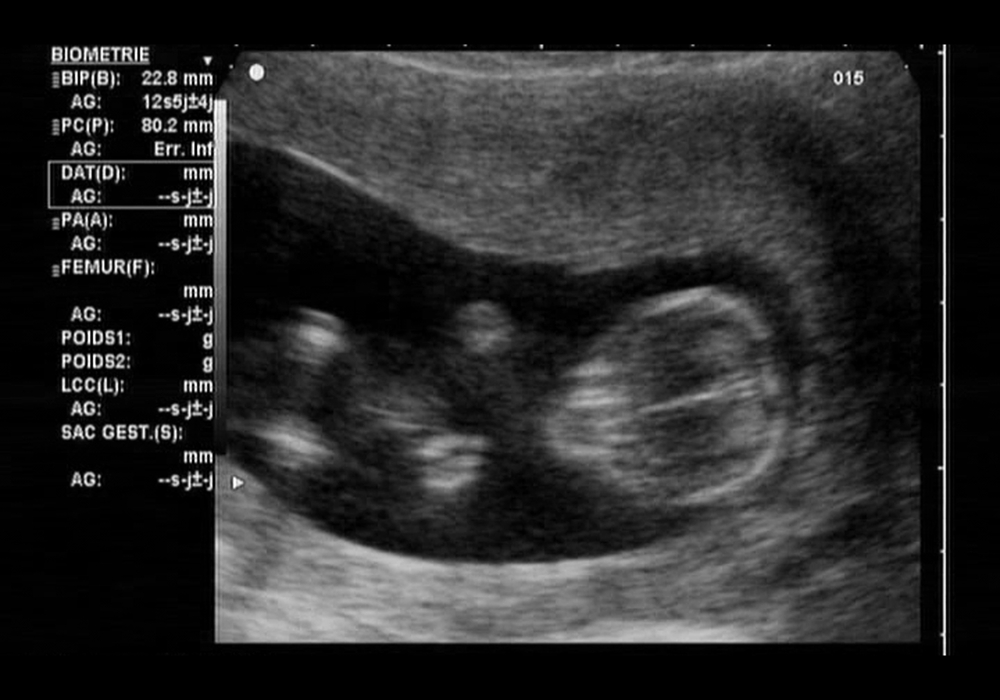
Il calcolo del peso fetale viene effettuato principalmente attraverso ecografie che misurano specifici parametri del feto. Le formule più comunemente utilizzate per stimare il peso fetale includono la Formula di Shepard e la Formula di Campbell e Wilkins. Queste formule si basano su misurazioni ecografiche come il Diametro Biparietale (BPD) e la Circonferenza Addominale (AC).
Queste misurazioni vengono poi inserite nelle formule del nostro calcolatore per ottenere una stima del peso fetale.
Il Calcolo Online del Peso del Feto
Oggi, grazie alla tecnologia, è possibile stimare il peso fetale online attraverso calcolatori specializzati. Questi strumenti permettono ai genitori e ai medici di ottenere una stima del peso fetale inserendo le misurazioni ecografiche come il BPD e l’AC.
Come Funzionano i Calcolatori Online?
I calcolatori online di peso fetale utilizzano le stesse formule mediche utilizzate dagli ecografisti. Gli utenti devono inserire le misure richieste (come BPD e AC) e il calcolatore restituisce una stima del peso fetale. Questi strumenti sono utili per fornire un’indicazione rapida e conveniente del peso del feto, anche se non sostituiscono una valutazione medica completa.
Vantaggi del Calcolo Online
- Accessibilità: I calcolatori online sono free e facilmente accessibili e possono essere utilizzati ovunque, in qualsiasi momento.
- Convenienza: Offrono una stima rapida senza la necessità di appuntamenti medici frequenti.
- Educazione: Aiutano i genitori a comprendere meglio il progresso della gravidanza e il sviluppo del feto.
Perché è Utile Conoscere il Peso Fetale?
Conoscere il peso fetale è utile per diverse ragioni:
- Monitoraggio della Crescita: Il peso fetale è un indicatore chiave della crescita e dello sviluppo del feto. Permette ai medici di monitorare se il feto sta crescendo in modo appropriato per la sua età gestazionale.
- Identificazione di Problemi: Un peso fetale troppo basso o troppo alto può indicare potenziali problemi. Ad esempio, un peso inferiore alla norma può essere segno di ritardi nella crescita intrauterina (IUGR), mentre un peso superiore può indicare macrosomia fetale, spesso associata a complicanze durante il parto.
- Pianificazione del Parto: Conoscere il peso fetale può aiutare a pianificare il parto. Un feto con peso elevato potrebbe richiedere un parto cesareo per evitare complicazioni.
- Gestione delle Complicazioni: Le informazioni sul peso fetale aiutano i medici a gestire meglio eventuali complicazioni della gravidanza, come il diabete gestazionale o la preeclampsia, che possono influenzare la crescita del feto.
Peso Fetale durante le settimane di gravidanza
Il peso fetale varia significativamente durante le settimane di gravidanza. Comprendere questa crescita può aiutare i genitori a sapere cosa aspettarsi e i medici a monitorare lo sviluppo del feto.
Crescita Fetale Trimestrale
- Primo Trimestre: Durante le prime 12 settimane, il feto è molto piccolo e il peso aumenta lentamente. Alla fine del primo trimestre, il feto pesa circa 14 grammi.
- Secondo Trimestre: Da 13 a 26 settimane, il peso fetale aumenta in modo più consistente. Alla fine del secondo trimestre, il feto può pesare circa 900 grammi.
- Terzo Trimestre: Il periodo più significativo per l’aumento di peso. Da 27 settimane fino alla nascita, il feto può guadagnare fino a 200-250 grammi a settimana. Alla nascita, un peso medio di un neonato è tra 2500 e 4000 grammi.
Variazioni Individuali
È importante notare che ogni gravidanza è unica, e il peso fetale può variare ampiamente da un feto all’altro. Fattori genetici, lo stato di salute della madre e altri elementi possono influenzare il peso del feto.
